New law designates area in front of Parliament as monument and makes gatherings there punishable by jail or fine
The parliament approved an amendment that prohibits gatherings and most forms of protest in the area in front of the Monument to the Unknown Soldier, criminalising acts described in the text as ‘occupation of surface’ or ‘alteration of the space’. The measure, passed by New Democracy with the support of three independent MPs, prescribes penalties for violators of up to one year’s imprisonment or a fine.
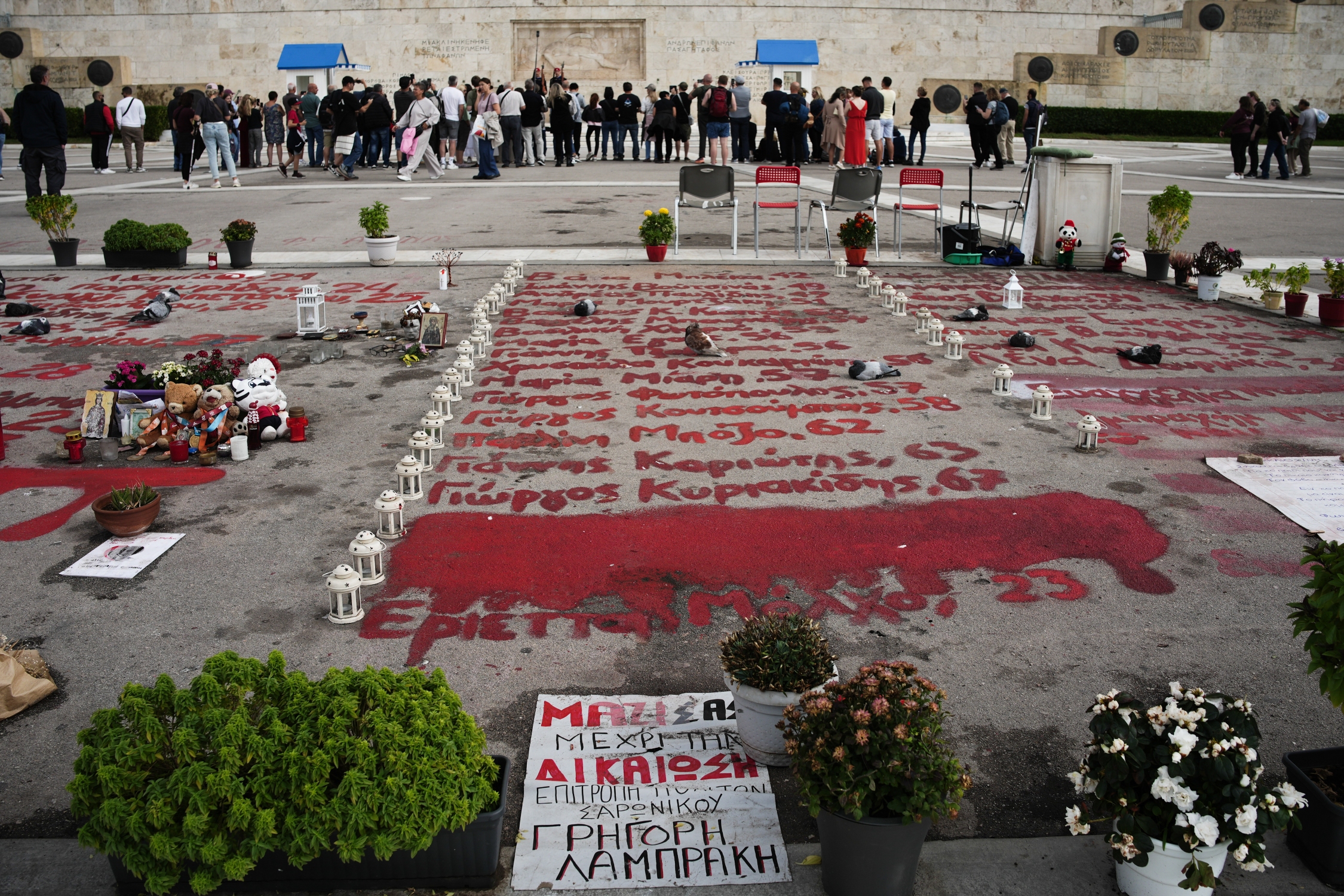
Menelaos Myrillas / SOOC
(The amendment was adopted a few days after the conclusion of Panos Routsi’s 23-day hunger strike and the families’ successful demand for exhumation and toxicology testing.)
The measure was carried with 159 votes in favour and 134 against. The three additional votes beyond the New Democracy parliamentary group came from independent MPs Giorgos Aspiotis, Charalambos Hatzivardas and Konstantinos Floros. Minister of National Defence Nikos Dendias voted in favour. Several opposition parties, including PASOK, SYRIZA, the New Left and Plefsi Eleftherias, objected to the amendment as unconstitutional; KKE and NIKI called for its withdrawal.
The text is a two-article insertion in a broader bill on the establishment and organisation of a legal entity under public law for the Civil Aviation Authority and other provisions under the Ministry of Infrastructure and Transport. It includes a topographical annex that formally identifies the entire area between Amalias Avenue and the Parliament building as part of the Monument to the Unknown Soldier.
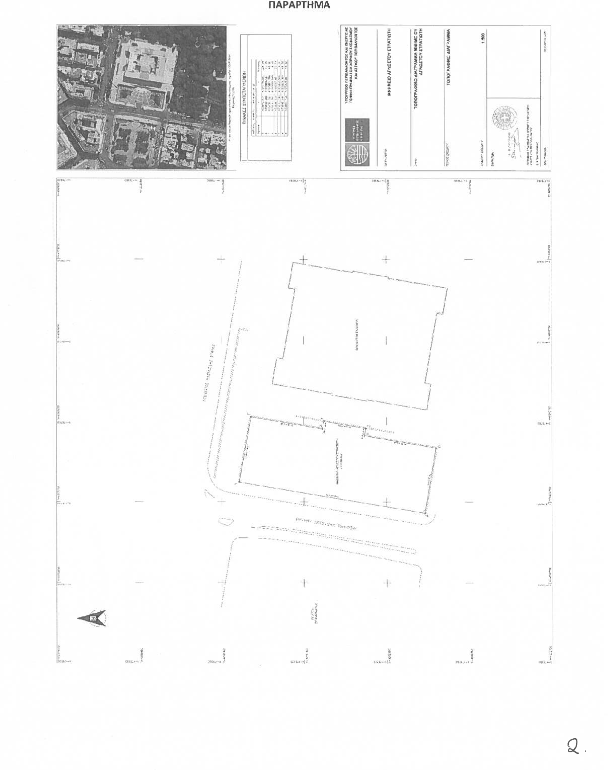
According to the report of the General Accounting Office of the State, the amendment ‘introduces prohibitions on the use of the space in front of the Unknown Soldier (occupation of surface, alteration of the space, etc.) and specifies the penalties (imprisonment and fine) imposed on those who violate these prohibitions’. The provision states: ‘In accordance with the principle of proportionality, any violation of the above provision is punishable, in accordance with paragraph 2, by imprisonment for up to one (1) year or by a fine, provided that no more severe penalty is provided for in another provision.’ It adds that under article 409 of the Code of Criminal Procedure the possibility of issuing a criminal order is provided and that, where a prison sentence is imposed, it may be converted into community service.
The amendment also allocates roles between ministries. The Hellenic Police is tasked with ‘observance of public order and prohibitions’, while the Ministry of National Defence assumes responsibility for the monument’s ‘maintenance, care and promotion’. The text permits the Ministry of Defence to assign these duties through contract. Critics have warned that the redefinition of the space and the new criminal penalties will sharply curtail politically visible forms of protest at the most symbolic civic site directly facing Parliament.
______________________________________________
Are you seeking news from Greece presented from a progressive, non-mainstream perspective? Subscribe monthly or annually to support TPP International in delivering independent reporting in English. Don’t let Greek progressive voices fade.
Make sure to reference “TPP International” and your order number as the reason for payment.
Σε χρειαζόμαστε
Το ThePressProject είναι το μοναδικό μέσο ανεξάρτητης, ερευνητικής και αποκαλυπτικής δημοσιογραφίας που στηρίζεται αποκλειστικά στις μικρο-δωρεές των επισκεπτών του. Πιστεύουμε ότι η πληροφορία πρέπει να είναι διαθέσιμη σε όλους και για αυτό δεν κλειδώνουμε κανένα κομμάτι της ύλης αλλά για να παραχθεί το πρωτογενές υλικό που θα βρείτε εδώ χρειαζόμαστε την υποστήριξή σου. Αν δεν πληρώσουμε εμείς για την ενημέρωσή μας, θα την πληρώσει κάποιος άλλος (και αν δεν είσαι ο Μαρινάκης μάλλον δεν έχεις τα ίδια συμφέροντα). Μάθε πώς
Σχόλια
- Κάνε κλικ για να σχολιάσεις
Πολιτική Σχολιασμού