Civil Aviation Authority on Athens FIR blackout: “No evidence of cyberattack so far”
The Hellenic Civil Aviation Authority (CAA) issued an updated statement on the unprecedented communications failure that disrupted the entire Athens Flight Information Region (FIR) on Sunday, causing widespread delays and cancellations across Greek airports.
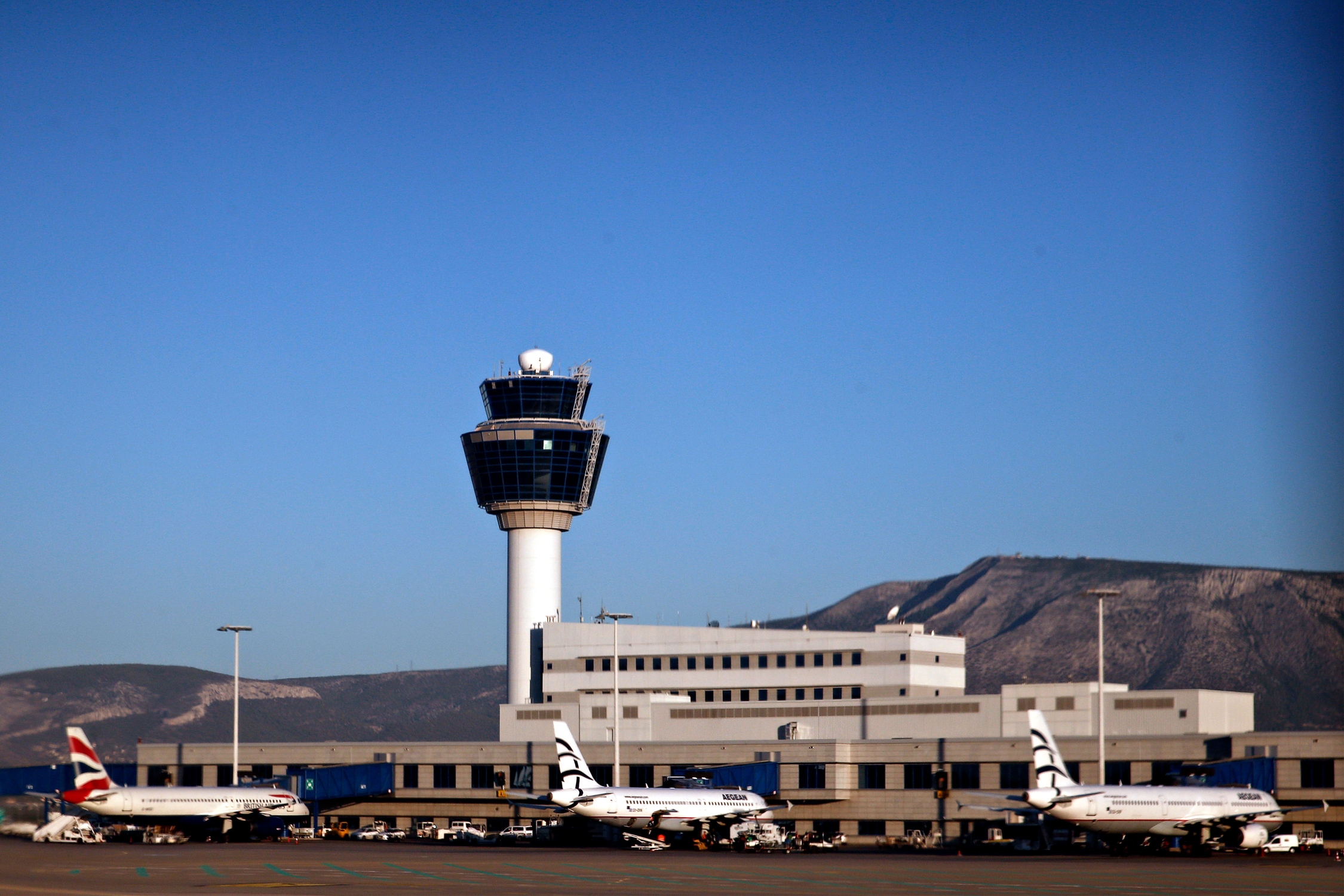
Alexandros Michailidis / SOOC
A special investigative committee met today with CAA leadership and technical staff at the Athens and Macedonia Area Control Center to review all technical aspects of the incident and the functioning of air-traffic systems at the time of the failure.
According to the Authority, the ongoing investigation has not identified any indication of a cyberattack. Judicial authorities have already launched a separate inquiry.
What happened on 4 January
The CAA reports that at 08:59 local time, multiple Athens FIR radio frequencies were simultaneously affected by continuous interference described as “noise,” originating from unintentional emissions of the service’s own transmitters. At the same time, disruptions were recorded in the CAA’s telephone links and HellasCom data circuits.
Both primary and backup voice-communication and transceiver systems remained operational, but the interference made the frequencies unusable.
Emergency response
The CAA immediately convened its Crisis Response Team, involving senior officials and the Air Navigation directorates. In coordination with EUROCONTROL, controllers temporarily cleared the Athens FIR to ensure flight safety. Gradual restoration began after midday as frequencies became available, and NOTAMs were issued to inform airlines.
CAA technicians were deployed to all major relay stations nationwide to conduct on-site checks. No evidence directly linked to the failure was identified. A CAA aircraft, carrying specialised staff and an EETT technician, also conducted airborne frequency monitoring. No suspicious emissions were detected.
Preliminary findings
Investigators currently believe the issue originated in the telecommunications infrastructure and not inside the CAA’s internal systems. The Authority remains in close coordination with OTE to cross-check the causes.
Full operational capacity was restored by 17:45 on the day of the incident.
Modernisation plans already in progress
The CAA notes that procurement is underway for new systems directly relevant to the failure:
• 495 new VHF VoIP transceivers (4.2 million euros, contractor ROHDE & SCHWARZ HELLAS), with the first deliveries expected in early 2026
• A new voice-communication and remote-control system for the Athens and Macedonia Control Center (4.7 million euros, contractor SPACE HELLAS), pending approval from the Court of Auditors
The Authority concludes that the professionalism of controllers and electronics staff ensured flight safety despite an incident affecting multiple unrelated systems simultaneously.
______________________________________________
Are you seeking news from Greece presented from a progressive, non-mainstream perspective? Subscribe monthly or annually to support TPP International in delivering independent reporting in English. Don’t let Greek progressive voices fade.
Make sure to reference “TPP International” and your order number as the reason for payment.
Σε χρειαζόμαστε
Το ThePressProject είναι το μοναδικό μέσο ανεξάρτητης, ερευνητικής και αποκαλυπτικής δημοσιογραφίας που στηρίζεται αποκλειστικά στις μικρο-δωρεές των επισκεπτών του. Πιστεύουμε ότι η πληροφορία πρέπει να είναι διαθέσιμη σε όλους και για αυτό δεν κλειδώνουμε κανένα κομμάτι της ύλης αλλά για να παραχθεί το πρωτογενές υλικό που θα βρείτε εδώ χρειαζόμαστε την υποστήριξή σου. Αν δεν πληρώσουμε εμείς για την ενημέρωσή μας, θα την πληρώσει κάποιος άλλος (και αν δεν είσαι ο Μαρινάκης μάλλον δεν έχεις τα ίδια συμφέροντα). Μάθε πώς
Σχόλια
- Κάνε κλικ για να σχολιάσεις
Πολιτική Σχολιασμού