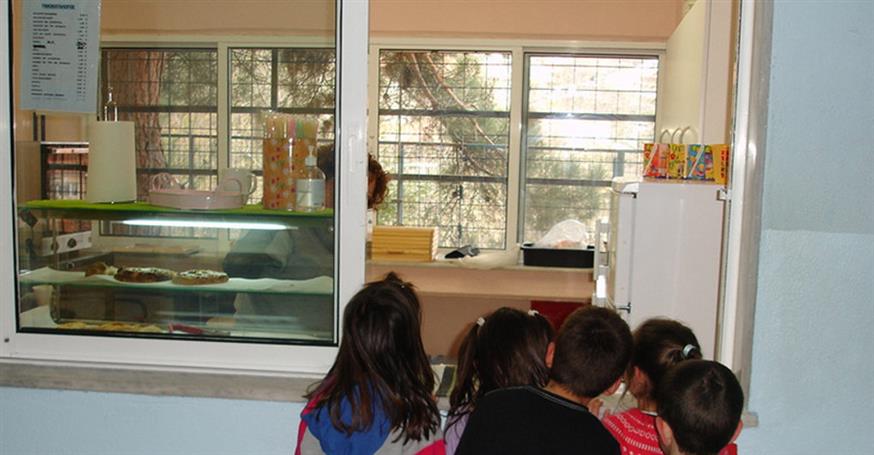
From the 2026–27 school year, the new regulation will change the operation of canteens in primary, lower secondary and upper secondary schools, with the stated aim of tackling childhood obesity and promoting healthy eating. Cold cuts, soft drinks, energy drinks, crisps, cheese puffs, chocolate, ice cream, cakes, croissants and products high in sugar and fat will be completely removed.
Significant changes are being introduced in school canteens at all levels of education from September, with the main aim of protecting and promoting pupils’ health. The new health regulation from the Ministry of Health replaces the current 2013 framework and was drawn up following a recommendation by the National Nutrition Committee, using the latest scientific data.
The ministry’s aim is for the 2026–27 school year to begin with the full implementation of the new rules, so that the school environment can become a model for healthy eating and contribute meaningfully to the formation of better eating habits among children and adolescents.
The new regulation introduces strict quality criteria for all products that may be sold in schools. Among the most important interventions are the complete ban on cold cuts and soft drinks, as well as a general overhaul of the options available in canteens.
All processed meat products are being withdrawn, including ham, bacon, pariza sausage, mortadella and sausages, as well as prepared foods such as gyros, schnitzel, burgers and kebabs.
At the same time, the sale of pizzas and pies containing cold cuts, processed cheeses, potato crisps, cheese puffs, chocolate, ice cream, sweets and energy drinks will also be banned.
Cakes, buns, croissants and products high in sugar or fat, such as ketchup, mayonnaise and chocolate spreads, will also be removed from school canteens.
Allowed options
The new list of approved products places emphasis on foods with high nutritional value.
Allowed options include fresh fruit, fresh vegetables, dried fruit without added sugar, fruit salads and compotes in natural juice.
Particular emphasis is placed on dairy products, such as fresh milk, kefir, ariani, yoghurt, rice pudding and milk creams, provided that they contain no added sugars and meet specific nutritional standards.
Wholegrain products will continue to be available in canteens, including koulouri, toast, raisin bread, grape-must cookies and cereal bars.
Pasteli, halva and selected sugar-free plant-based desserts will also be permitted.
Nuts will be available exclusively to lower and upper secondary school pupils.
New rules for sandwiches, toast, salads, pies and pizzas
Healthier options are being promoted for sandwiches and toast, including wholemeal bread, fresh vegetables, Greek cheeses, boiled chicken, boiled turkey, tuna and egg.
Only olive oil, olive paste and soft margarine will be permitted as fats.
Legumes and cereals may be added to salads, increasing their nutritional value.
The sale of pies and pizzas without cold cuts will also be permitted, provided that the dough is prepared exclusively with olive oil or other vegetable oils.
What about drinks?
Drink options will be limited to bottled water, natural juices without added sugar, herbal drinks and herbal teas.
Herbal teas will be available only in secondary education, meaning lower and upper secondary schools.
Coffee will be allowed exclusively for school employees.
‘Part of the national strategy against childhood obesity’
The initiative belongs to Deputy Health Minister Irini Agapidaki and forms part of the broader framework of actions under the National Programme for Combating Childhood Obesity.
On the occasion of the publication of the new health regulation, Agapidaki said that tackling childhood obesity is not a theoretical battle, but a daily act of responsibility that begins at school, where children spend most of their day.
She stressed that the new regulation radically changes the operating framework of school canteens, updating the rules in line with the strictest scientific data, permanently removing cold cuts and soft drinks from schools and reducing portion sizes, with the aim of creating an environment that effectively protects pupils’ health.
She emphasised that this initiative is a key pillar of the national strategy to address childhood obesity, noting that the effort starts at the root of the problem by offering children the appropriate resources to adopt healthy eating habits that will accompany them throughout their lives.
In closing, she said there is no room for compromises when it comes to the health of the new generation and called on all competent bodies to immediately take the necessary steps so that, by the start of the new school year, schools are fully aligned with the new healthy eating standards.
______________________________________________
Are you seeking news from Greece presented from a progressive, non-mainstream perspective? Subscribe monthly or annually to support TPP International in delivering independent reporting in English. Don’t let Greek progressive voices fade.
Make sure to reference “TPP International” and your order number as the reason for payment.