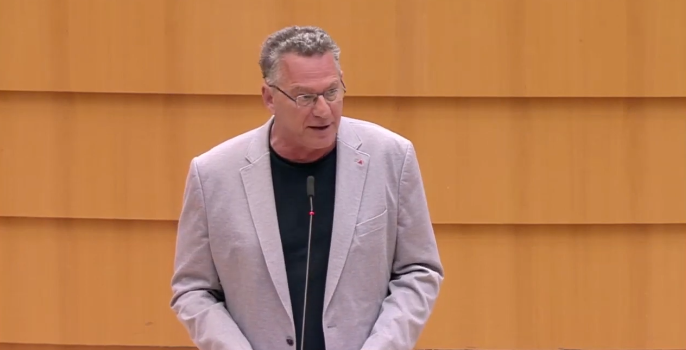
The contracts of approximately 730 DYPA employment advisers expired between 15 April and 30 June 2026, despite the workers having spent several years meeting the agency’s ongoing staffing needs and acquiring substantial experience and expertise in supporting unemployed people and businesses.
As Arvanitis points out in his question, funding from the Recovery and Resilience Facility (RRF) had been allocated to the workers’ salaries, training and professional development, while substantial European resources had been invested over the years in employment advisory services.
Although their contracts have expired, the staffing needs they covered remain. DYPA has nevertheless introduced a new special programme to place 1,000 unemployed university graduates in its services, raising serious concerns about the selection criteria.
Criticism has focused particularly on the decisive weight given to interviews in determining candidates’ final rankings, raising questions about the objectivity and impartiality of the recruitment process. According to the parliamentary question, the Supreme Council for Civil Personnel Selection (ASEP) has also expressed reservations, while trade unions have lodged appeals with the Council of State, Greece’s highest administrative court.
Arvanitis’s intervention also raises questions about the continuity and effectiveness of DYPA’s services and the sustainable use of public and European funds invested in training and developing the expertise of its workforce.
The MEP has asked the European Commission to examine whether the use of successive fixed-term contracts and employment programmes for unemployed people to cover permanent staffing needs complies with Directive 1999/70/EC and the relevant case law of the Court of Justice of the European Union.
He has also requested an assessment of DYPA’s new recruitment procedure in light of the legal concerns raised and the pending court appeals.
Finally, Arvanitis questions whether the agency’s staffing practices are compatible with the effective and sustainable use of European funding allocated to employment advisory services, as well as the need to improve DYPA’s operations and ensure the uninterrupted provision of its services.
The intervention highlights concerns about the failure to retain the experience and expertise already acquired by existing staff, alongside the need for transparent recruitment procedures and effective services for unemployed people and businesses.
The question to the European Commission in full
Subject: Concerns regarding DYPA’s staffing procedure
Between 15 April and 30 June 2026, the contracts of approximately 730 employment advisers at the Public Employment Service (DYPA) expired. These employees had been providing advisory services under fixed-term contracts, acquiring substantial professional experience and expertise.
For several years, these workers covered the agency’s permanent and ongoing needs, while their salaries, training and skills development were financed through the Recovery and Resilience Facility.
Following the expiry of their contracts, DYPA introduced a new special programme to place 1,000 unemployed university graduates in its services. Serious legal concerns have been raised about the procedure, particularly the decisive role of interviews in candidate selection and the lack of adequate safeguards to ensure objectivity and impartiality.
ASEP has expressed reservations concerning the constitutionality of the procedure, while appeals remain pending before the Council of State.
The Commission is asked:
1. Is the use of successive fixed-term contracts and employment programmes for unemployed people to meet permanent staffing needs compatible with Directive 1999/70/EC and the relevant case law of the Court of Justice of the European Union?
2. How does the Commission assess DYPA’s new staffing procedure in light of the concerns outlined above and the pending legal appeals?
3. Is this staffing practice compatible with the effective and sustainable use of EU funds allocated over the years to employment advisory services, the substantial improvement of DYPA and the need to ensure its adequate, smooth and uninterrupted operation?
______________________________________________
Are you seeking news from Greece presented from a progressive, non-mainstream perspective? Subscribe monthly or annually to support TPP International in delivering independent reporting in English. Don’t let Greek progressive voices fade.
Make sure to reference “TPP International” and your order number as the reason for payment.