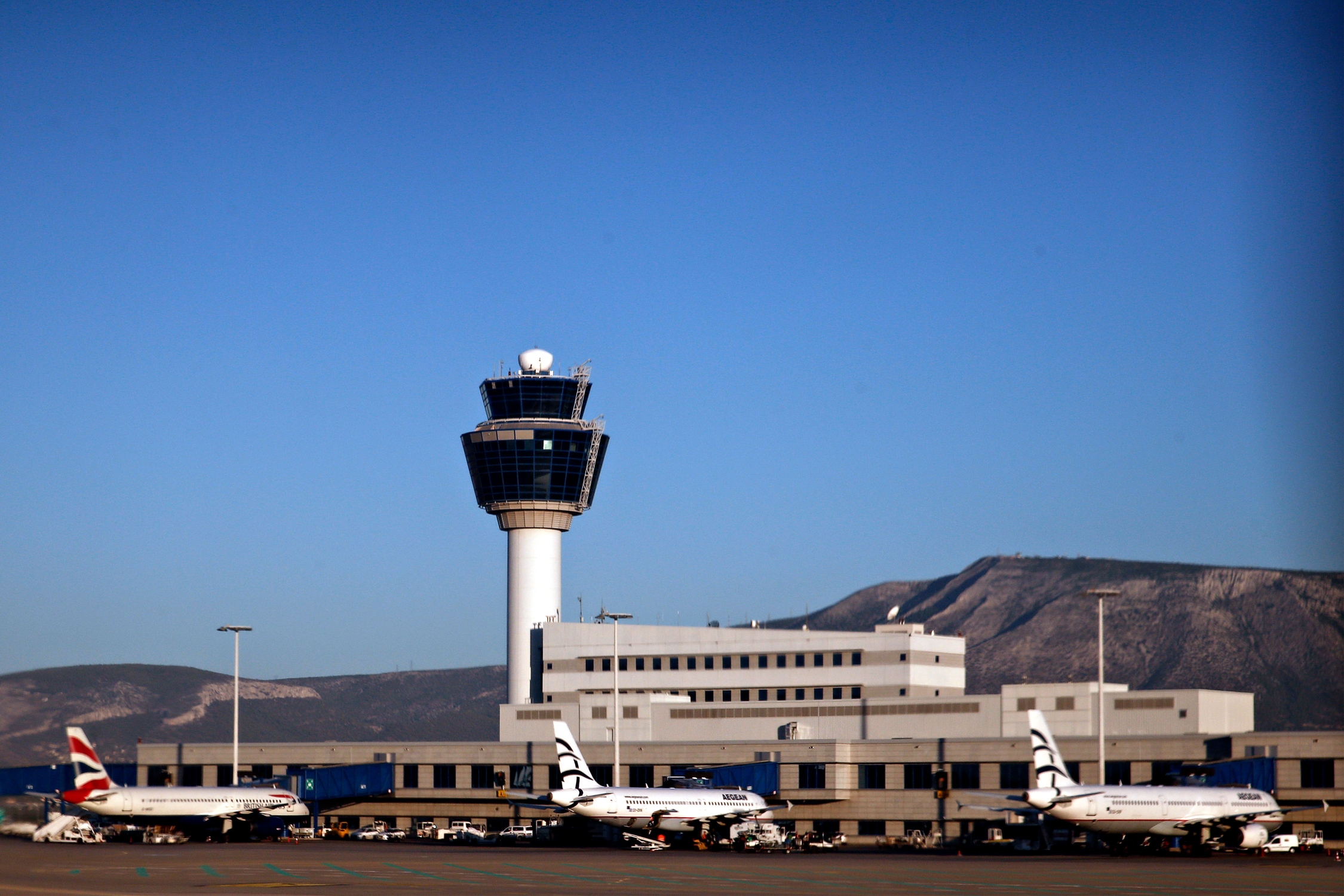
In a statement, the union said the report reflects, in the most official manner, the dysfunction and operational degradation of the Hellenic Civil Aviation Authority (CAA).
According to EEEKE, the factual reconstruction of events demonstrates the extreme pressure under which air traffic controllers were required to operate on the morning of 4 January. The union said the findings confirm its public position that the safe landing of all aircraft was due solely to the professionalism of controllers and the decision to close the airspace by imposing a zero rate. It described the incident as marked by administrative confusion, a prolonged delay in identifying the cause and a lack of cooperation among senior officials, stressing that the zero-rate decision prevented a potentially far more serious outcome.
EEEKE noted that the report acknowledges the inability to precisely determine the cause of the incident, attributing it to a ‘multiplicity of reasons’. It also highlighted the explicit reference to the absence of ‘substantial operational guarantees’ for the voice communications system used in air traffic control. On this basis, the union said it is not possible to continue providing services at the KEPATHM facilities at 100 per cent of nominal capacity and called for an immediate safety assessment, as required under European regulations. It warned that, under current conditions, increased summer traffic cannot be safely handled.
The union made particular reference to the need for the immediate installation of new VHF transceivers, as set out in the findings. It said it had repeatedly highlighted administrative failures that delayed the signing of the relevant contract, arguing that, had the delay not occurred, the equipment would already have been delivered and the 4 January incident might have been avoided. Responsibility was also attributed to decisions concerning the KEPATHM VCRS system, which the administration had previously described as being ‘restarted’ and progressing, claims the union said it had consistently disputed.
EEEKE said it had objected from the outset to the immediate restoration of capacity to 100 per cent without a gradual increase or interim reductions until the causes were identified and safeguards put in place to prevent a recurrence. It accused the CAA administration of ignoring these warnings and insisting on maintaining maximum capacity. The union said it had already written to the Ministry of Infrastructure and Transport seeking ministerial intervention to reduce capacity and conduct a safety assessment, measures it said should have been taken from the start.
Finally, the union alleged that the head of the Hellenic Civil Aviation Authority had repeatedly assured the ministry that ‘everything is under control’ and had sought to silence employees who attempted to communicate the situation, including through threats of disciplinary action. EEEKE said the findings point to serious administrative responsibilities and called on the minister to intervene immediately to protect air traffic controllers and, above all, passenger safety.
______________________________________________
Are you seeking news from Greece presented from a progressive, non-mainstream perspective? Subscribe monthly or annually to support TPP International in delivering independent reporting in English. Don’t let Greek progressive voices fade.
Make sure to reference “TPP International” and your order number as the reason for payment.