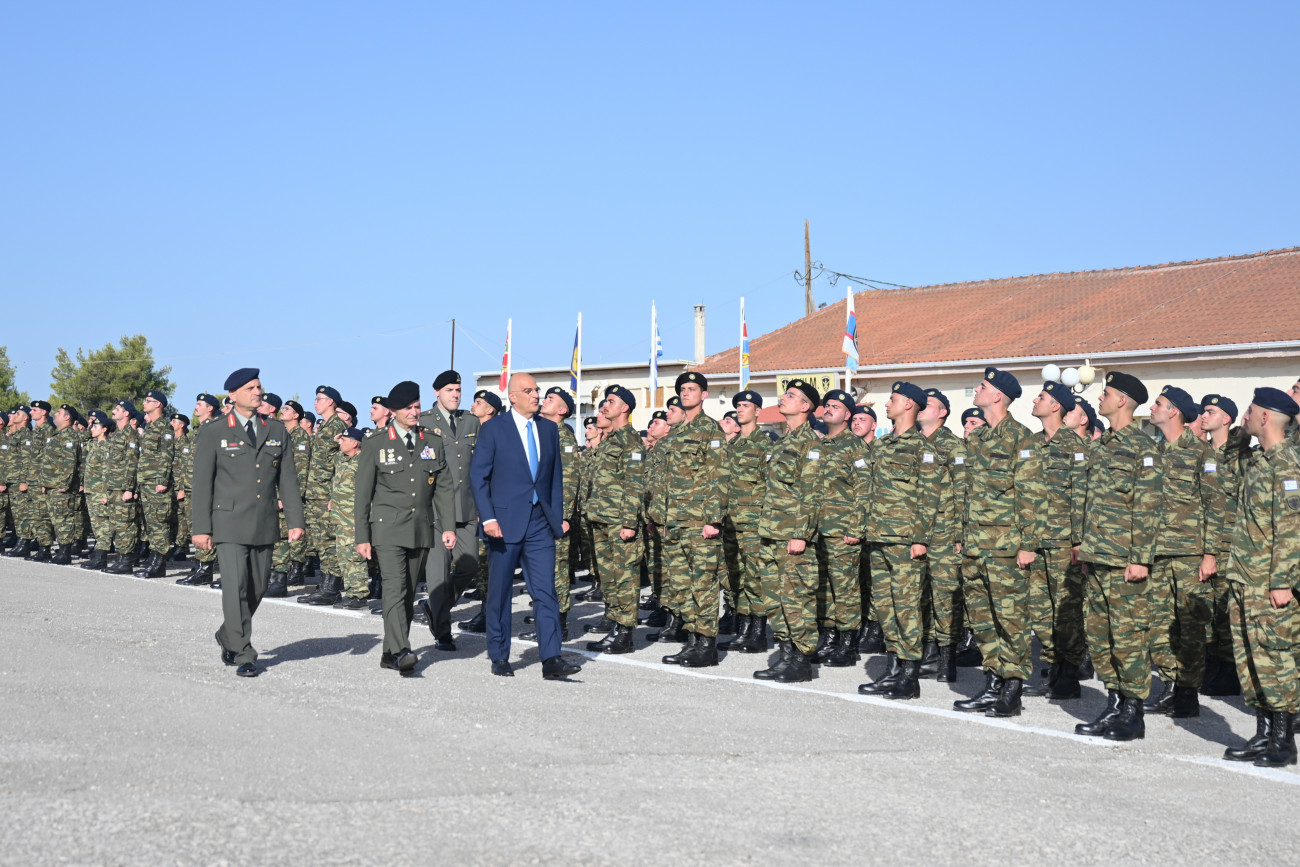
According to the organisation, the bill extends compulsory service, assigns all conscripts exclusively to the Army, tightens deferments and exemptions, expands unpaid labour by soldiers, increases penalties, lengthens reserve obligations and reinforces class inequalities within the armed forces. At the same time, they say, public services like health and education are weakened while military spending and the power of senior officers grow.
The group frames the bill as part of a wider “war-driven” agenda tied to NATO, EU militarisation and Greek–Turkish competition. It argues that the government is building a “cheap, disciplined and expendable army,” while demanding more austerity from the public.
Key points of criticism
• Exclusive assignment to the Army
All conscripts, including women who enlist voluntarily, will now serve only in the Land Army, which the Network argues is designed to fill frontline units disproportionately with poorer young people.
• Longer and more intensive training
Basic training is expanded from three to ten weeks, and conscripts are expected to take on more maintenance work and civil protection tasks, with no pay increase.
• Stricter deferments and academic penalties
University students will lose deferral rights earlier, postgraduate and doctoral deferments are reduced, and student leave during service is abolished. The Network argues this punishes students and links the bill to wider efforts to tighten state control over universities.
• Tougher restrictions on mental-health exemptions
Exemptions for psychological reasons (I5) will require multiple approvals, which the Network sees as an attempt to force more young people into service despite rising mental-health pressures.
• Harsher penalties and reduced buy-out options
Additional service penalties are increased from two to six months, while the option to buy out service time is limited and more expensive.
• Expanded reserves and semi-professional force
The bill creates a 150,000-person reserve force with obligations up to the age of 60 and introduces new professional roles with limited rights and low pay.
• New security provisions
The Network denounces clauses allowing revocation of citizenship for disclosing “state or allied secrets,” calling them authoritarian measures aimed at silencing criticism of army conditions or allied actions.
Call for mobilisation
The Spartacus Network argues that the bill represents a major step towards “militarisation of youth” and calls for a broad anti-war movement to demand:
• reduction of compulsory service to six months for all
• equal split of service time between border and home areas
• decent pay and labour rights for conscripts
• safe, non-exploitative conditions
• resistance to Greece’s participation in NATO and EU military plans
“Young people are not cannon fodder,” the statement concludes.
______________________________________________
Are you seeking news from Greece presented from a progressive, non-mainstream perspective? Subscribe monthly or annually to support TPP International in delivering independent reporting in English. Don’t let Greek progressive voices fade.
Make sure to reference “TPP International” and your order number as the reason for payment.