It is Good Friday, 1980.
At the Dachau concentration camp, 12 men begin a hunger strike. Some are survivors of the Nazi genocide. All are Sinti and Roma. Many have lost loved ones, some almost their entire families. Their dead are among the estimated 500,000 victims of the Sinti and Roma Holocaust whose persecution and murder had, for decades, been pushed to the margins of Europe’s historical memory.
Thirty-five years have passed since the collapse of the Nazi regime, yet the genocide of the Sinti and Roma has still not been officially recognised by the Federal Republic of Germany.
That, however, is about to change.
Among the hunger strikers is Romani Rose. He is 34 years old. Thirteen members of his family were murdered in concentration camps, including both his grandparents. Before the war, his family ran a cinema. After the fall of Nazism, they remained in Germany, the only homeland they had ever known.
More than four decades later, I walk through a sunlit Heidelberg. A couple pose for wedding photographs. Two young women embroider on a bench as boats drift along the river. Around a bend in the road is the Sinti and Roma Holocaust Museum.
The Sinti are one of the groups comprising Europe’s Roma minority and live primarily in German-speaking countries in Central Europe.
It is April 2025, and I am meeting Romani Rose in person for the first time during a visit to the museum with the Council of Europe Commissioner for Human Rights.
For decades, Rose has led the Central Council of German Sinti and Roma, one of the most important representative organisations for the minority in Germany.
One photograph in the museum stays with me.
A young Roma man looks directly into the camera, his face disappearing beneath layers of plaster. Two women are making a cast of his head.
Nazi ‘racial science’ in action.
Under the pretext of ‘crime prevention’, the Nazis claimed that criminality could be determined by ancestry. Plaster casts, anthropometric measurements and the systematic recording of characteristics such as eye colour, hair colour and blood type were among the pseudoscientific practices used to give Nazi racial ideology the appearance of scientific legitimacy, paving the way for forced sterilisation, persecution and genocide.
Romani Rose has spent more than 50 years fighting for the political and civil rights of the Sinti and Roma.
On International Roma Holocaust Remembrance Day, we speak about what official history tried to forget, what recognition changed and what it did not, and why the struggle that began decades ago remains painfully unfinished.
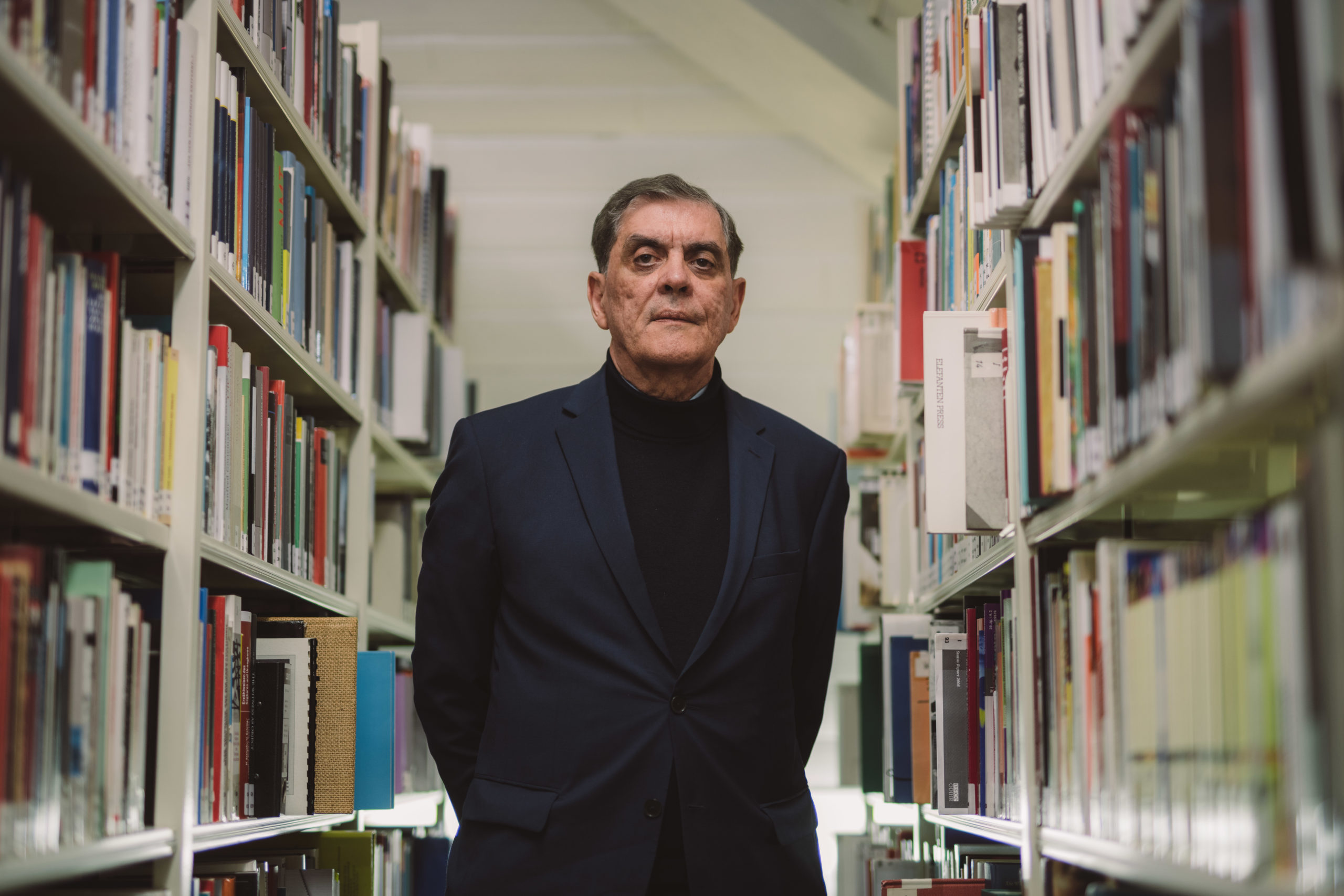 Romani Rose
You have dedicated your life to the political rights of the Sinti and Roma. One of your most important achievements was the recognition of the Holocaust in 1982. Why was that recognition necessary, and why does International Roma Holocaust Remembrance Day remain so important?
‘In a few days I will turn 80. Looking back, I realise that the struggle for this recognition has been the purpose of my entire life.
‘Recognition was necessary because the genocide of the Sinti and Roma was treated for decades as though it had never happened. Although it was carried out by the same state machinery of extermination that led to the murder of millions of Jews, the Federal Republic of Germany did not initially recognise that the Sinti and Roma had also been victims of genocide.
‘Their genocide was not a regional crime. It extended across the European countries occupied by the Nazis, destroying communities that had lived there for six or seven centuries. Alongside the 6 million Jews murdered in the Holocaust, an estimated 500,000 Sinti and Roma were exterminated.
‘The goal was our complete extinction.
‘There is no Sinti or Roma family in Germany that was not marked by the Holocaust and did not lose loved ones. I lost 13 of my relatives, including both of my grandparents, who were murdered in Auschwitz.’
And yet the genocide was not recognised immediately after the war. Why?
‘The Federal Republic of Germany recognised the Holocaust of the Jews as genocide as early as 1949. This recognition formed the basis for the moral reparations, legal proceedings and compensation that followed.
‘It was a historical necessity. The crimes of Nazism represented an unprecedented collapse of civilisation, and postwar Germany, under pressure from the Allies, had to acknowledge its responsibility in order to rejoin the international community.
‘But this was not the case for the Sinti and Roma. Our genocide was treated as a footnote to history. No-one cared about us.
‘According to Nazi ideology, it was enough for even one of your ancestors to be Roma for you to be labelled “of Gypsy origin” and murdered in a concentration camp.
‘The Nazis justified the persecution and genocide of the Roma in the name of “crime prevention”, equating origin with criminality.
‘After the Holocaust, the Roma were not only denied recognition as victims. They were not even recognised as citizens in their own country.
‘What followed was a second persecution.’
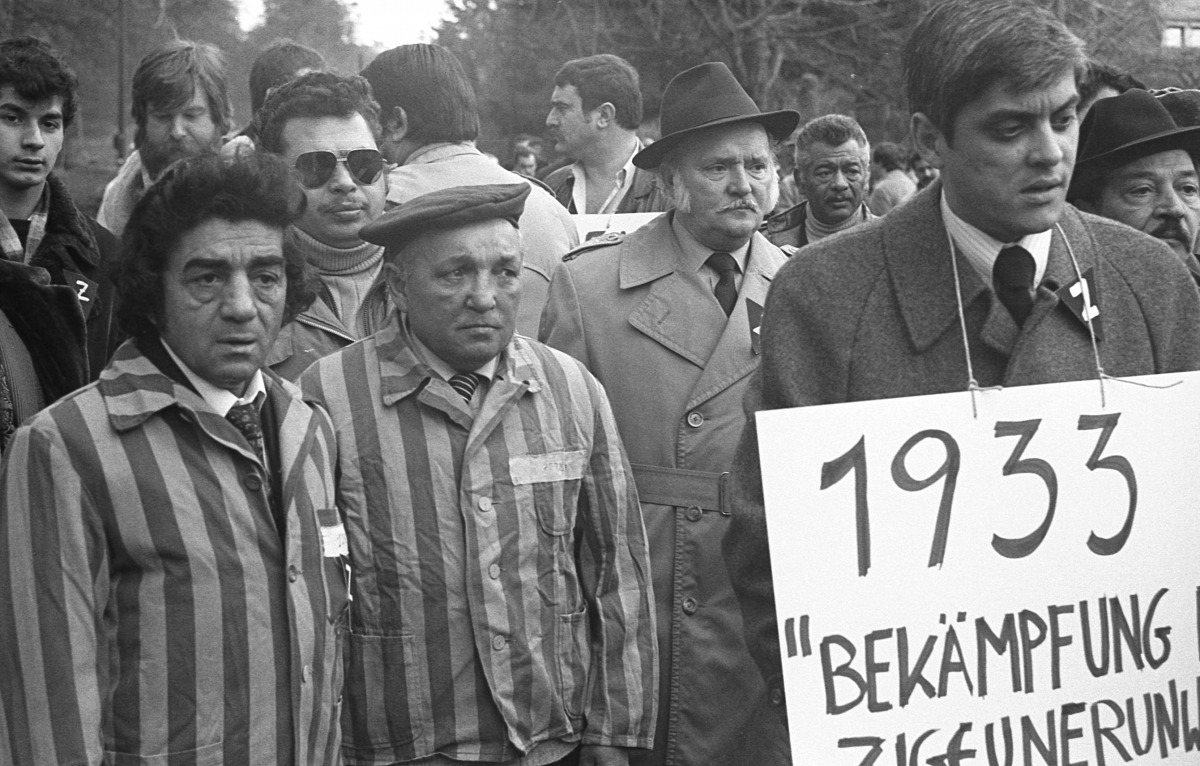 Romani Rose on the right.
What were the consequences of that refusal for the Sinti and Roma after the war?
‘The failure to recognise the genocide had very specific consequences. Many of the forms of discrimination and practices implemented under Nazism continued in postwar Germany.
‘The Nazis marked Roma with the letter “Z”, from the German word Zigeuner, meaning “Gypsy”. After the Nazis’ attempt at physical extermination came another form of destruction: social and moral exclusion.
‘Police authorities continued using files and registration methods created under the Nazis, treating Sinti and Roma as inherently suspicious. Our community continued to be stigmatised and marginalised, and portrayed as so-called nomads so that we would not be formally registered as German citizens.
‘Even today, in Lower Saxony, police compile files containing the family trees of Roma families. A child can enter a police file from the moment they are born.’
What finally changed in 1982?
‘After years of struggle, demonstrations and the hunger strike we organised at Dachau, the German government under Chancellor Helmut Schmidt recognised in 1982 that the extermination of the Sinti and Roma had been a genocide carried out on racial grounds.
‘In 1995, the Sinti and Roma were also recognised as a national minority in Germany, ensuring institutional protection for our language and culture.’
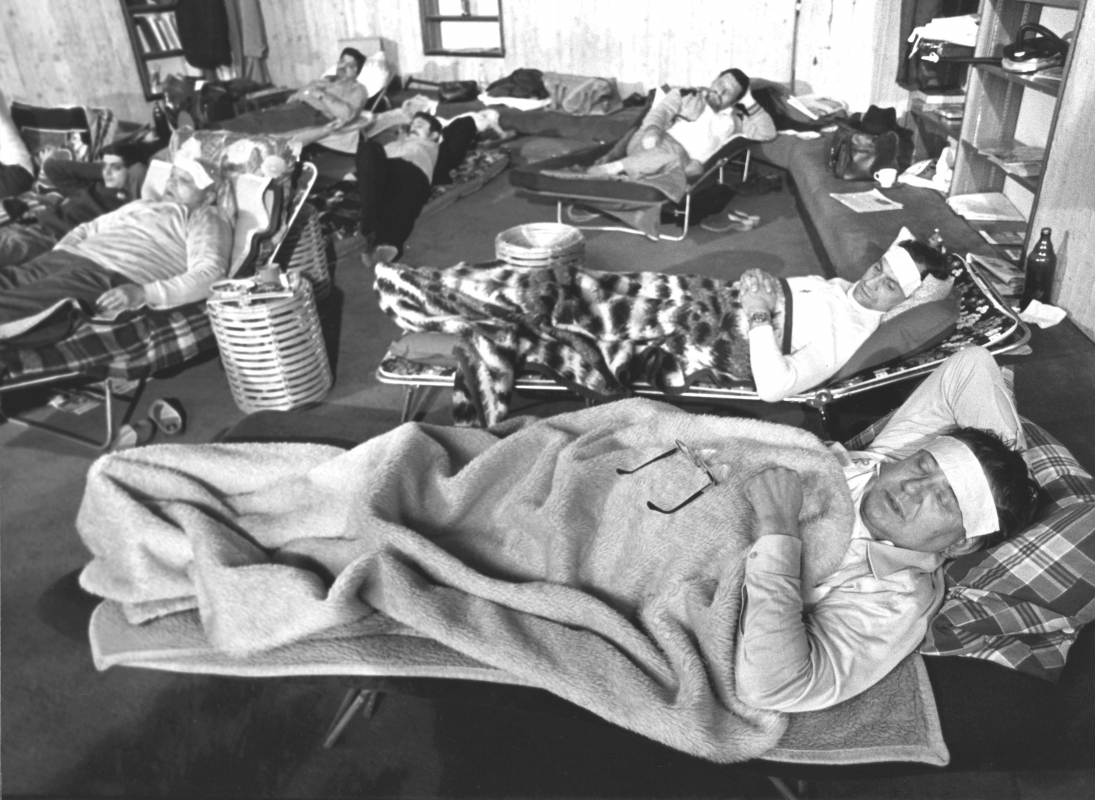 Hunger strikers at Dachau, with Romani Rose first from left. Their protest played a crucial role in the official recognition of the Nazi genocide of the Sinti and Roma.
But have things really changed?
‘The recognition in 1982 was a great historical victory, but it remained largely in words. The necessary institutional changes, most importantly within the police, did not follow. Nor were sufficient policies developed to confront anti-Gypsyism and discrimination against Sinti and Roma.
‘Even today, anti-Gypsyism remains widespread and, in many cases, socially tolerated.
‘In Europe today there is a clear consensus that antisemitism is unacceptable and must have consequences. Anti-Gypsyism, by contrast, is often underestimated or treated as though it were normal. There is no solidarity from society towards the injustices suffered by Roma.
‘That is why remembering the Sinti and Roma Holocaust is not simply about the past. It is a prerequisite for recognising and confronting the discrimination that continues today.’
You say that recognition remained largely symbolic. What should have changed in practice?
‘The Holocaust of the Sinti and Roma should have been integrated much more deeply, both politically and into society’s collective memory.
‘School textbooks, for example, should clearly teach that the Sinti and Roma are an integral part of the history of the Holocaust, alongside the other groups subjected to persecution and extermination by the Nazi regime.’
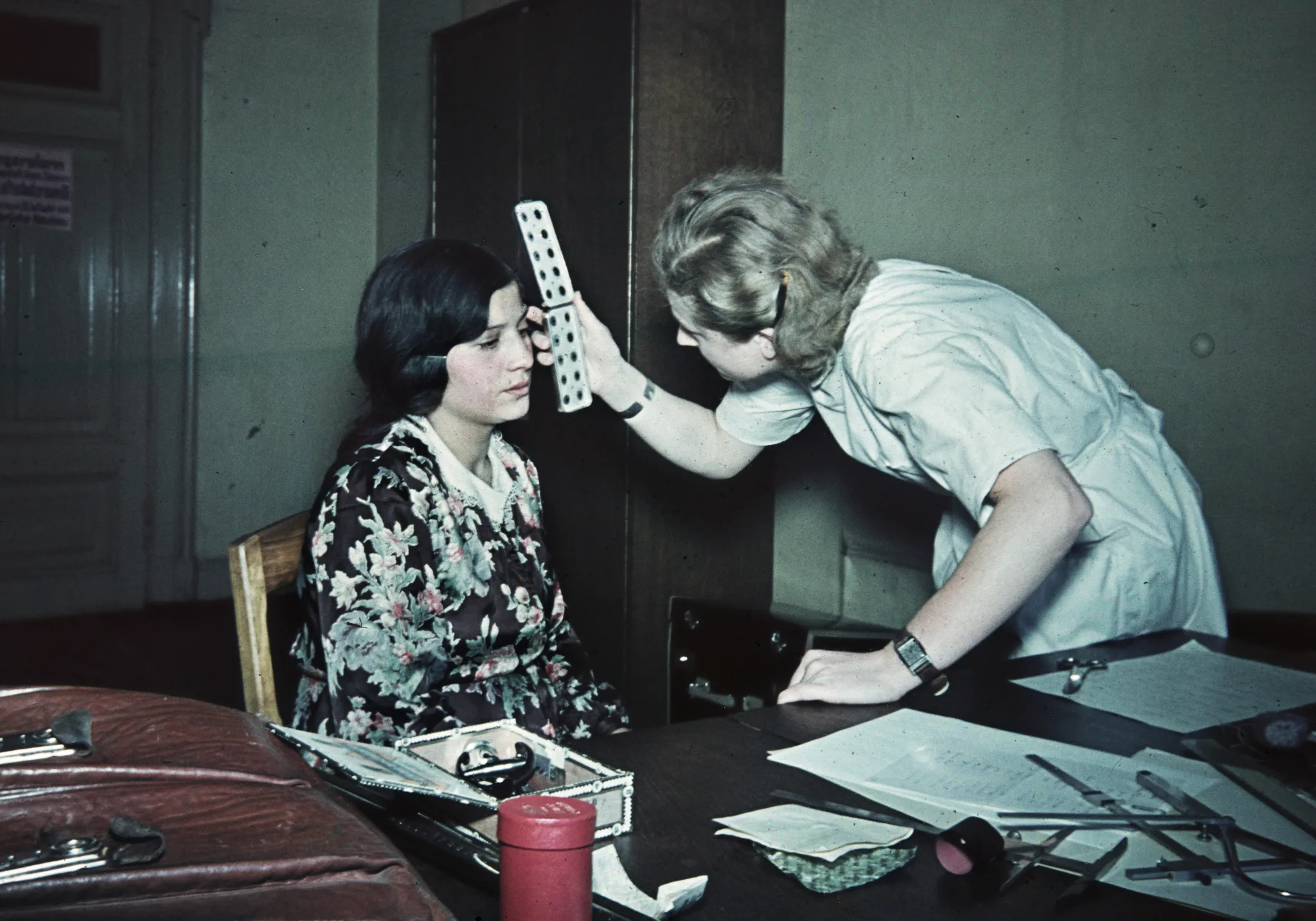 Anthropologist and Nazi collaborator Eva Justin compares a woman’s eye colour with a chart of iris colours. Her pseudoscientific ‘racial’ research contributed to the persecution and genocide of the Sinti and Roma.
Do young Sinti and Roma today feel able to preserve and express their cultural identity and history freely, or does fear of anti-Gypsyism still lead people to conceal it?
‘There are two parallel developments.
‘On the one hand, we are seeing a positive change. More and more Sinti and Roma are choosing to speak publicly about their identity, history and culture. Young people, including those involved in Sinti and Roma student associations, are claiming their place in society, whether as journalists, lawyers or participants in political life.
‘This is very important because young people must be able to view their identity with pride. Sinti and Roma are not simply a community asking something from society. They have made a significant contribution to the history of Europe. They have lived in these countries for 600 or 700 years and are claiming their future as an equal part of society.
‘On the other hand, a large part of the community still chooses not to reveal their origins. The reason is fear of anti-Gypsyism and the stereotypes that continue to associate Sinti and Roma unjustly with crime. Many fear that if they reveal they are Roma, they will lose their jobs.
‘That is why education and awareness are so important. People need to understand that Sinti and Roma are an integral part of European societies and European culture.
‘This takes time, but it rests on a fundamental principle: human dignity, an inalienable right that every person should enjoy regardless of their origin.’
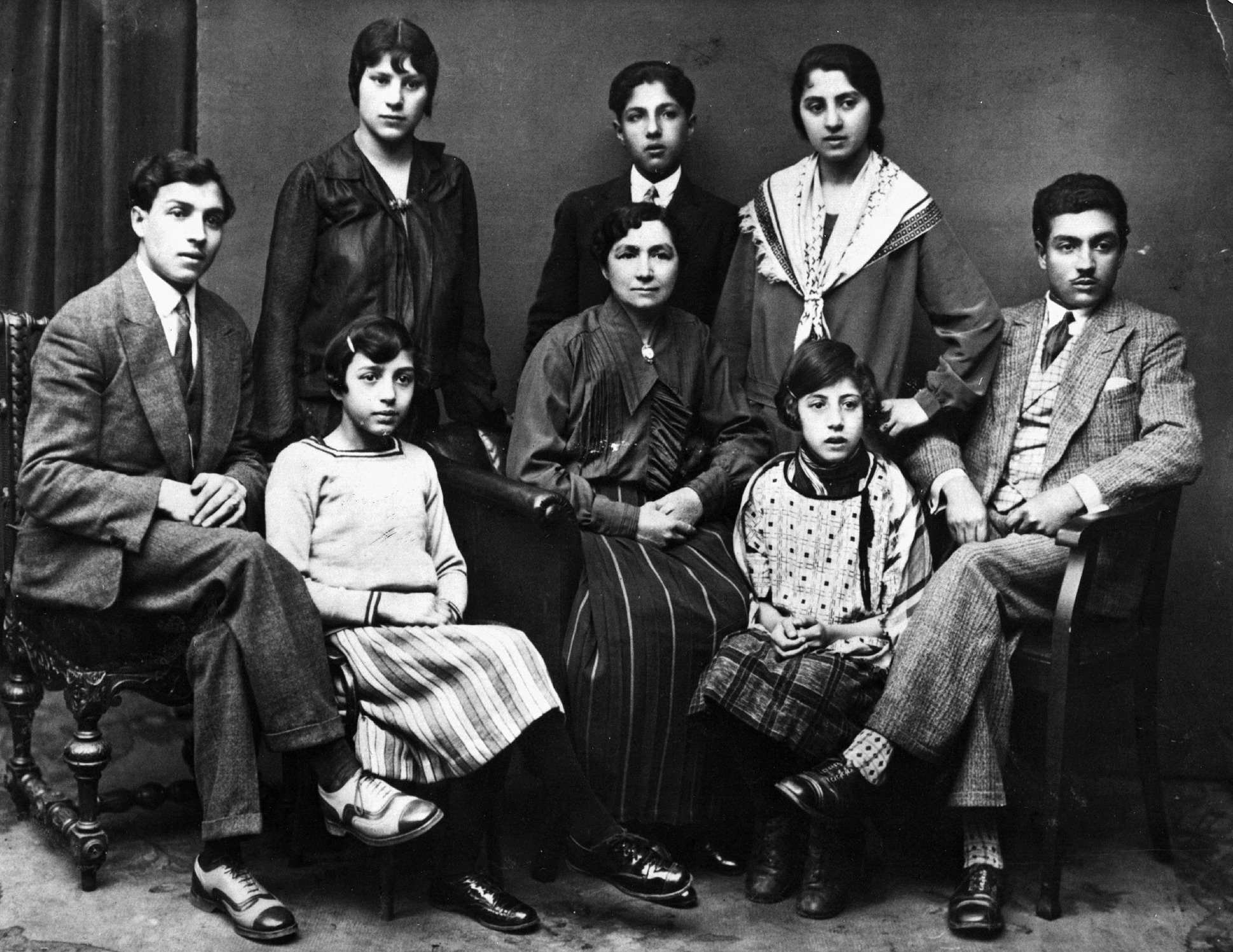
Romani Rose’s adviser, Falco Hartard, who interpreted the questions from English into German during our conversation, asks to share a story that shocked him.
‘When I started working here, I came across a communication from a prosecutor to the mother of a young Roma man accused of a crime. It dated from 2016. Next to the young man’s name, in brackets, the prosecutor had written the word Zigeuner, or “Gypsy”, a term inseparably associated with Nazi persecution and now considered unacceptable in Germany.
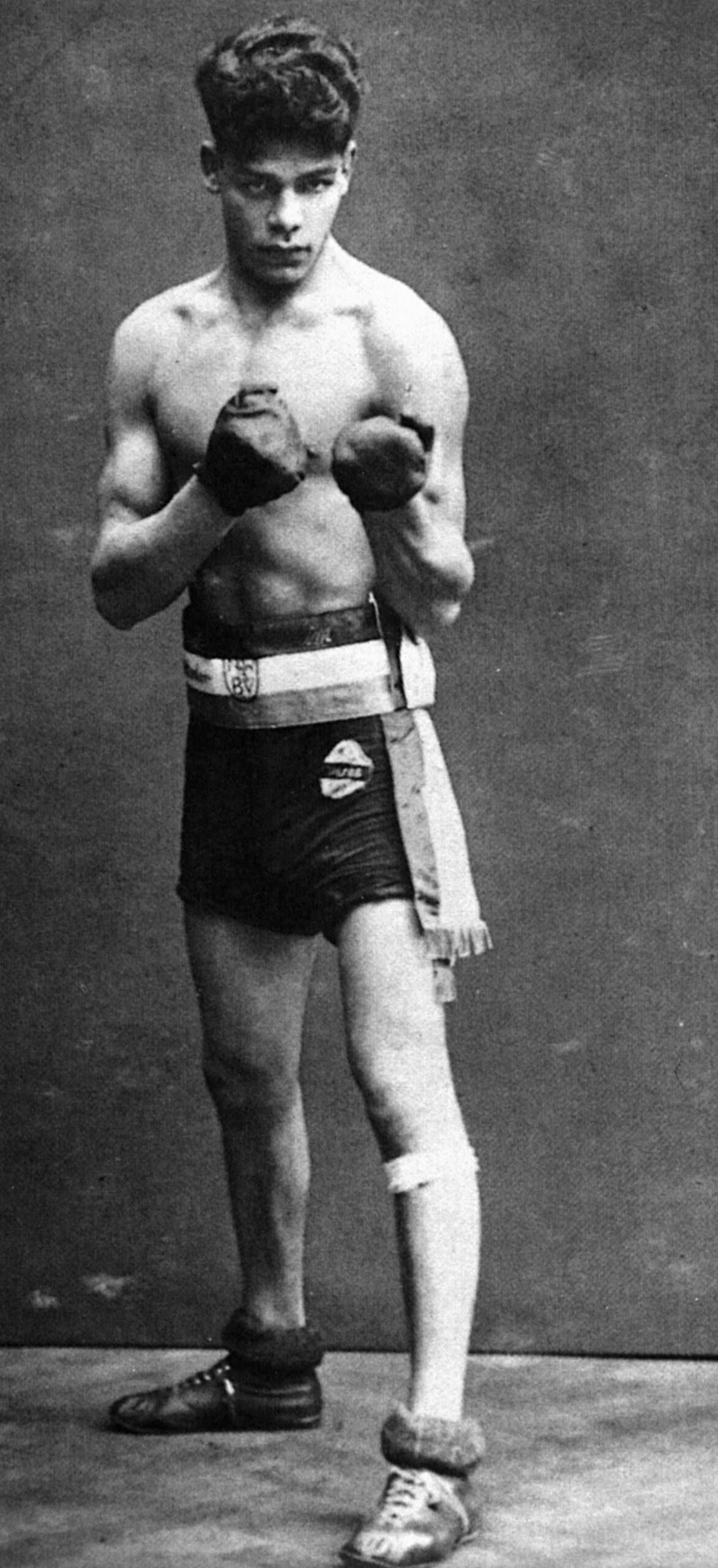 Johann ‘Rukeli’ Trollmann (1907–44), one of Germany’s leading boxers, became light-heavyweight champion in 1933. Because he was Sinti, the Nazis stripped him of his title on racial grounds. He was forcibly sterilised, deported to the Neuengamme concentration camp and murdered in 1944.
It is true that we learn almost nothing about the Roma contribution to European culture. We know little about Charlie Chaplin, Django Reinhardt or even the influence of Roma music on European classical music.
‘It is important to highlight the richness and contribution of Roma people in the arts. This is something we are trying to do through the Central Council of German Sinti and Roma.
‘In Spain, flamenco has been recognised by UNESCO as Intangible Cultural Heritage of Humanity and has become part of society’s consciousness, with its roots in the culture of the gitanos.
‘But who knows that Charlie Chaplin had Romani roots? That European classical composers such as Liszt and Brahms found inspiration in the musical traditions of the Hungarian Roma? Or that Django Reinhardt, the father of European jazz, was born in a Roma camp?
‘One of the most famous footballers in German history was Roma. I personally helped his family seek compensation after the Holocaust was recognised. He died without ever publicly revealing his identity.
‘Official history marginalises us, and racism follows.
‘We are fighting to change that without becoming an isolated community. We join forces and organise events together with Iranians, Jews and other communities.’.
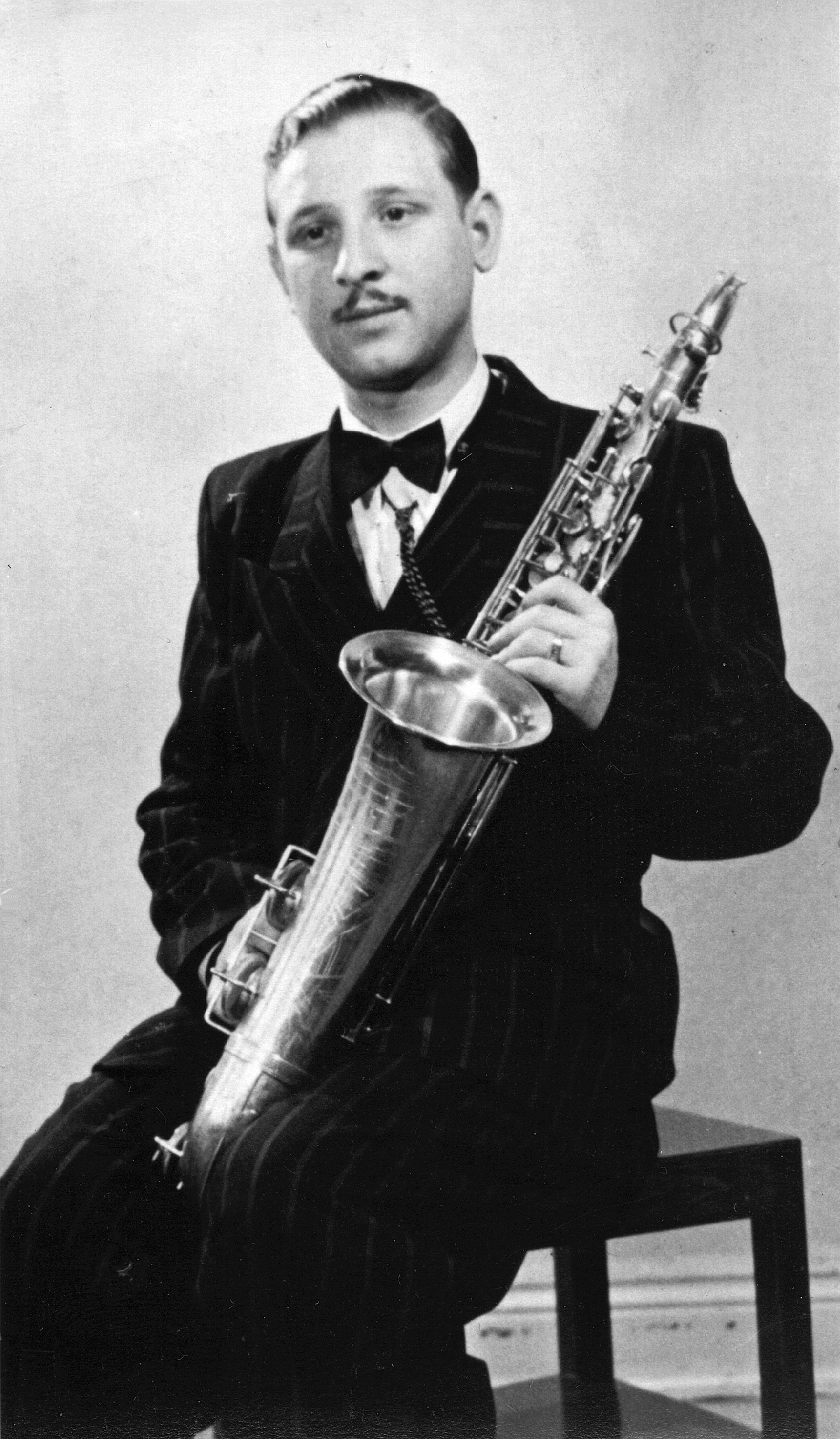 Gerhard Braun was a saxophonist with the Berlin Radio Orchestra before being deported to Auschwitz and murdered there.
How does the rise of the far right in Germany affect you? And what does the increasingly hostile attitude towards minorities across Europe mean to you?
‘It worries me deeply, and sometimes I can hardly believe it. In Germany, the far-right AfD has gained considerable influence, and we are seeing similar developments in other countries.
‘It is not enough simply to talk about banning a political party. We have to confront the ideas that fuel the rise of the far right, speak out and defend democracy and the rule of law.
‘History is not a ritual of remembrance.
‘Facing the past means accepting responsibility in the present and ensuring that state institutions, the judiciary, the police and the political leadership, respect all minorities.
‘The far right uses minorities as targets in order to cultivate fear. But what is really at stake is democracy itself and the rule of law, which have secured peace and stability for more than 80 years.’
What is your antidote in moments of disappointment?
‘There have certainly been many such moments. We have heard AfD leaders describe the period from 1933 to 1945 as a ‘blemish in history’ and the Holocaust Memorial in Berlin as a ‘monument of shame’.
‘But then there is a day when students visit the Holocaust Museum in Heidelberg and suddenly you see their eyes wide with curiosity and their desire to learn.
‘Let me tell you something even more striking. Young police officers training to enter the police force visit the museum and take part in educational programmes on anti-Gypsyism.
‘Those moments give me strength.
‘They remind me that it is worth continuing.’
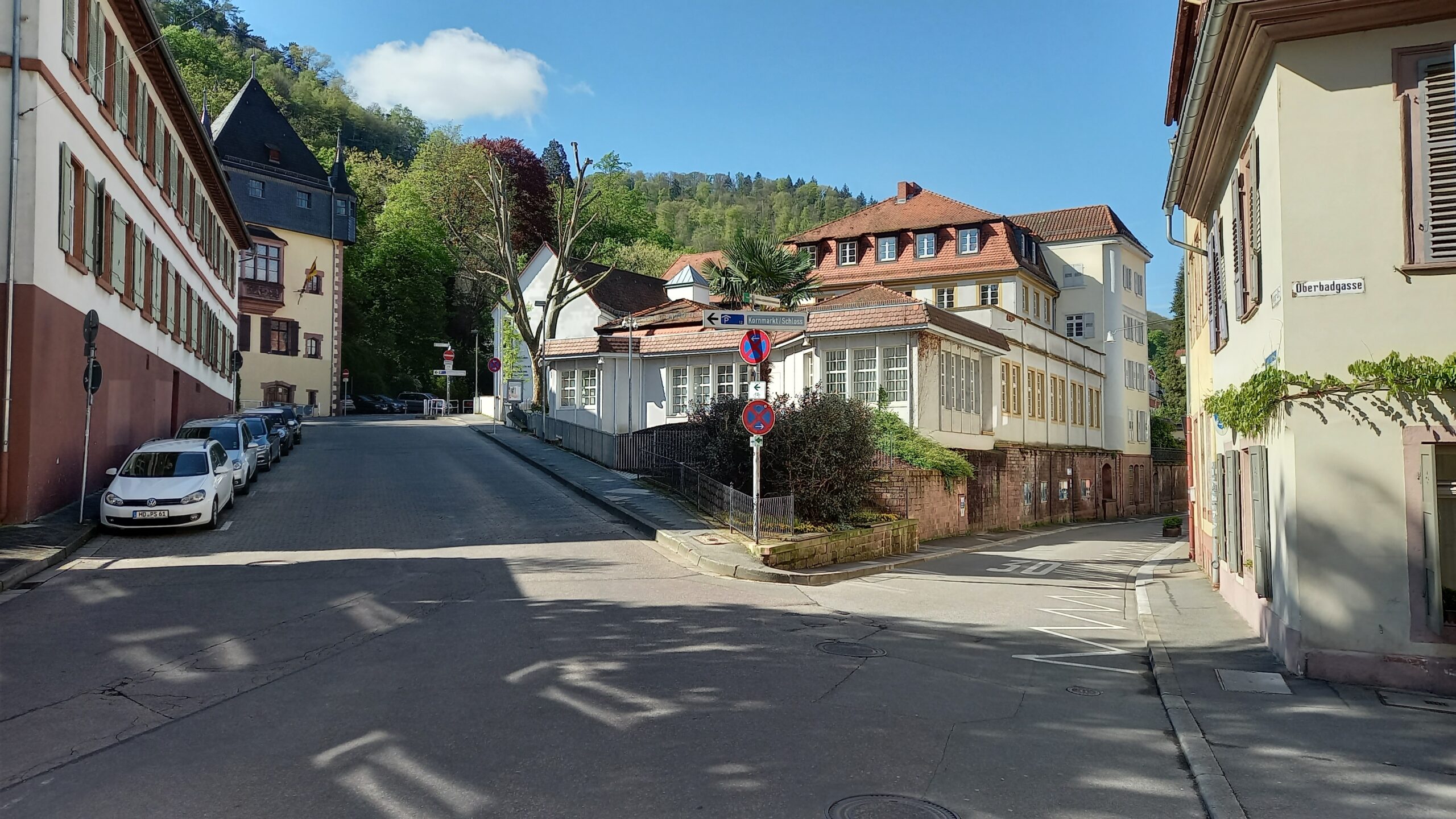 The Sinti and Roma Holocaust Museum in Heidelberg..
You said earlier that society shows little solidarity towards the injustices suffered by Roma. Why do you think that is?
‘Prejudice against Sinti and Roma has been cultivated for centuries. This centuries-old propaganda of exclusion continues to influence how society sees us.
‘Many people do not even consider Roma part of society, even when they are scientists, academics, businesspeople or active in political life.
‘That is why many choose to conceal their origins. They are afraid that they will be treated differently.
‘And that is why I insist that Sinti and Roma must be visible and actively participate in public life.
‘During the last federal elections in Germany, I publicly appealed to members of our community to go out and vote for democratic parties.
‘Participation is essential because Roma are part of society and must be treated as equal citizens.’
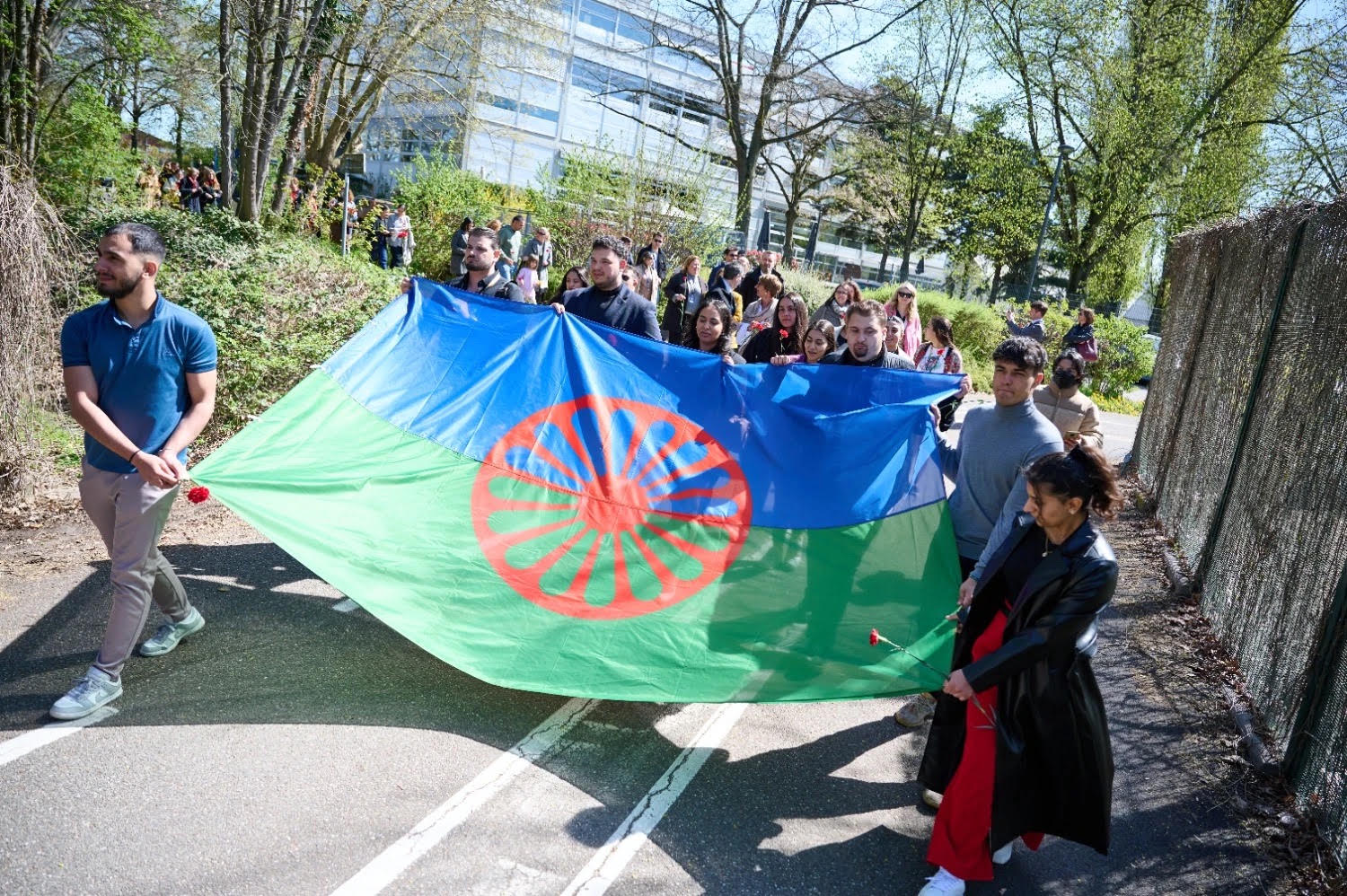
Is that your great disappointment?
‘Yes.
‘I wanted us to have achieved more. After so many decades of struggle, I believed there would be greater understanding and solidarity.
‘Unfortunately, those expectations were not fulfilled.’
On 20 August, you turn 80. After 50 years in the Roma civil rights movement, what is Romani Rose’s message today?
‘I did not achieve everything I dreamed of.
‘But there is no room for giving up.
‘We must defend democracy and the dignity of every human being, without exception. We cannot accept a world in which people die of hunger or drown at sea while seeking refuge.
‘Only in this way will history not repeat itself.’
[Caption: In the central photograph, women from a Nazi ‘racial research’ team, probably including anthropologist Eva Justin, make a plaster cast of the head of a man believed to be Sinti or Roma, c.1936. Such pseudoscientific practices, carried out under the direction of child psychiatrist Robert Ritter, were used to justify the persecution and, ultimately, the genocide of the Sinti and Roma by the Nazi regime.]
______________________________________________
Are you seeking news from Greece presented from a progressive, non-mainstream perspective? Subscribe monthly or annually to support TPP International in delivering independent reporting in English. Don’t let Greek progressive voices fade.
Make sure to reference “TPP International” and your order number as the reason for payment.